
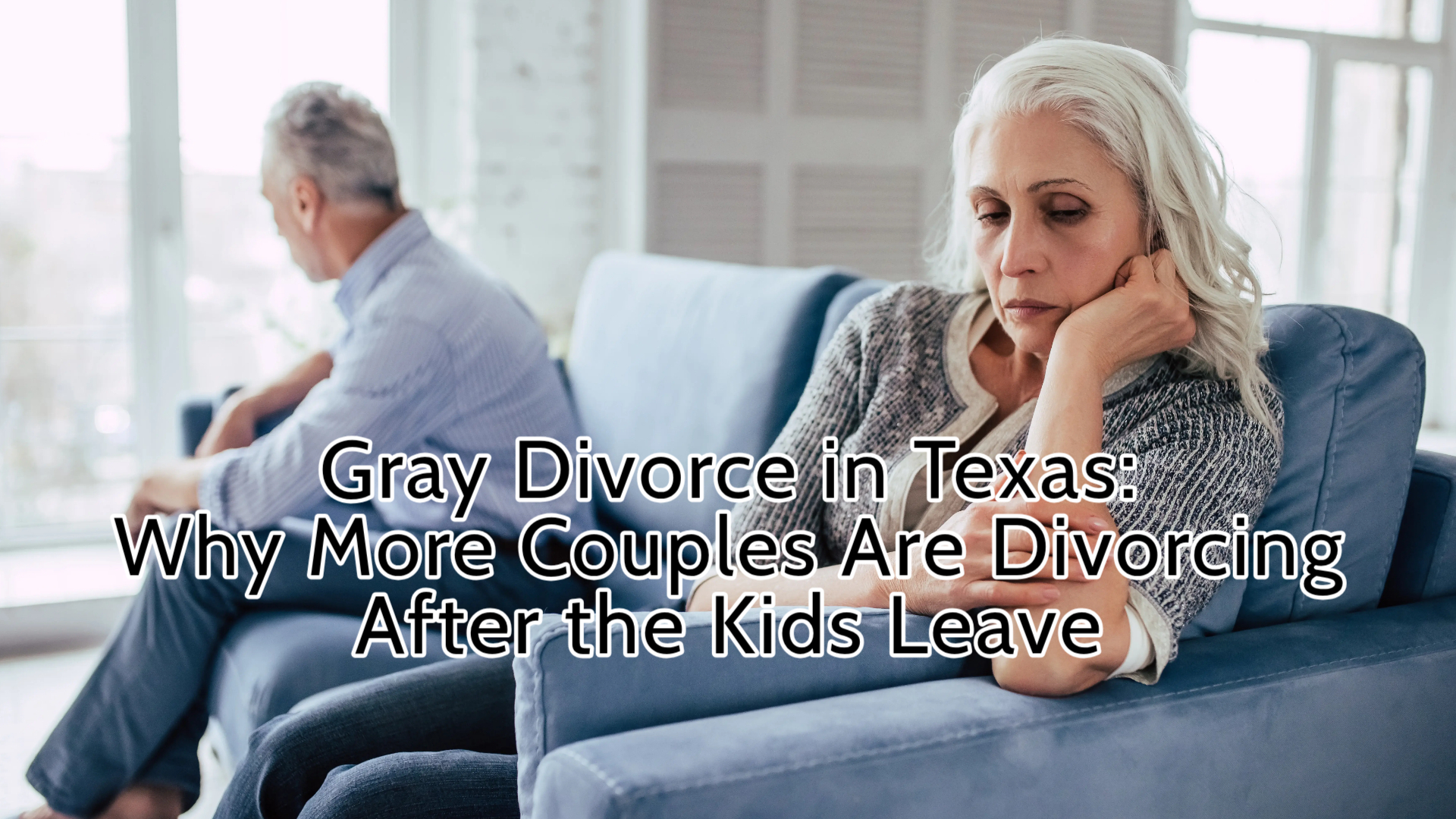
Introduction: Divorce After 50 Is No Longer Rare
For decades, divorce was most common among younger couples navigating early career pressures and child-rearing responsibilities. Today, a growing number of divorces occur later in life, after children have left the home and spouses face retirement, health concerns, and long-term financial planning. This trend—often referred to as “gray divorce”—has reshaped family law practice in Texas.
Divorce after decades of marriage is rarely impulsive. It is often the result of years of emotional distance, lifestyle changes, or evolving personal goals. While the children may be grown, the legal and financial stakes are often higher than ever.
Understanding why gray divorce happens—and how Texas law treats long-term marriages—is essential for anyone considering divorce later in life. An experienced gray divorce lawyer in Dallas can help protect stability and clarity during this transition.
What Is Gray Divorce?
Gray divorce generally refers to divorce involving spouses over the age of 50, often after long-term marriages. These cases differ significantly from divorces involving young children or early-career couples.
In gray divorce cases:
- Retirement planning becomes central
- Health and insurance coverage are major concerns
- One spouse may be financially dependent
- Assets are often substantial but illiquid
Texas courts apply the same legal framework, but the practical implications are very different.
Why Gray Divorce Is Increasing in Texas
Several societal and economic factors contribute to the rise of gray divorce. Longer life expectancy has changed how people view marriage. Many individuals now expect decades of life after retirement and may be unwilling to remain in unhappy marriages.
Additionally, modern cultural norms place greater emphasis on personal fulfillment and independence. When children leave the home, unresolved marital issues often become impossible to ignore.
Financial independence—particularly for women—has also played a role. Increased workforce participation allows spouses to consider divorce options that may not have been financially feasible in earlier generations.
According to the National Institute on Aging, “Baby boomers had far fewer children than their parents. Combined with higher divorce rates and disrupted family structures…”.
Emotional and Practical Triggers After Children Leave Home
The transition to an empty nest is a turning point for many couples. Without the daily demands of parenting, spouses may confront emotional distance that developed over years.
Common triggers include:
- Loss of shared purpose
- Communication breakdown
- Differing retirement visions
- Health or caregiving stress
These issues often surface gradually, but once acknowledged, they can make reconciliation difficult.
Financial Complexity in Gray Divorce
Gray divorces often involve assets accumulated over decades, including retirement accounts, real estate, and investments. Unlike younger couples, older spouses have less time to recover financially from mistakes or inequitable divisions.
Texas courts must divide community property in a manner that is “just and right,” not necessarily equal. In long-term marriages, this analysis becomes particularly nuanced.
Judges consider how asset division will affect each spouse’s ability to maintain stability moving forward, especially when retirement is imminent or already underway.
Retirement Accounts and Pensions
Retirement assets are often the most valuable property in gray divorces. These may include 401(k)s, pensions, IRAs, and other long-term savings vehicles.
Courts must determine:
- What portion of retirement was earned during the marriage
- How accounts should be divided
- Whether Qualified Domestic Relations Orders (QDROs) are required
Improper handling of retirement assets can trigger tax penalties or long-term financial loss.
External reference:
U.S. Department of Labor – Retirement Division Orders
Health Insurance and Medical Considerations
Health insurance is a major concern in gray divorce, particularly for spouses who relied on employer-sponsored coverage through the other spouse. Divorce can result in sudden loss of coverage at a time when medical needs increase.
Texas courts do not require one spouse to provide health insurance for the other after divorce. This reality makes planning essential, especially when Medicare eligibility is years away.
Courts may consider health-related expenses when evaluating spousal maintenance or property division.
Spousal Maintenance in Gray Divorce Cases
Spousal maintenance frequently becomes a focal point in gray divorce. While Texas law limits maintenance, long-term marriages often meet the initial eligibility threshold.
Courts evaluate:
- Length of marriage
- Age and health of spouses
- Employment history
- Earning capacity
Maintenance is intended to address minimum reasonable needs—not to equalize income or lifestyle.
Estate Planning Concerns Tied to Gray Divorce
While divorce courts do not handle estate planning, gray divorce often triggers concerns about future inheritance and financial legacy. Property division decisions may significantly alter long-standing plans for children or grandchildren.
Divorcing later in life requires careful consideration of how property division aligns with long-term goals.
Common Mistakes in Gray Divorce
Individuals in gray divorce cases often make avoidable mistakes, including:
- Underestimating the cost of post-divorce living
- Overlooking tax consequences
- Failing to address insurance gaps
- Rushing settlements to avoid conflict
Because financial recovery time is limited, these errors can have lasting impact.
How a Gray Divorce Lawyer in Dallas Helps
An experienced attorney helps clients:
- Evaluate long-term financial stability
- Navigate complex asset division
- Address spousal maintenance strategically
- Avoid costly and irreversible mistakes
Gray divorce requires foresight, not just legal compliance.
FAQs – Gray Divorce in Texas
- Is gray divorce treated differently under Texas law?
The legal framework is the same, but practical considerations differ. - Does a long marriage guarantee spousal maintenance?
No. Eligibility must still be proven. - Can retirement accounts be divided?
Yes, to the extent they are community property. - Will divorce affect Social Security benefits?
It can, depending on marriage length and timing. - Is health insurance addressed in divorce orders?
Not typically, making advance planning critical. - Should gray divorce be handled differently than younger divorces?
Yes. The stakes and consequences are often higher.
Moving Forward After a Long Marriage
Gray divorce is not just a legal process—it is a life transition. The Law Office of Chris Schmeideke helps clients navigate divorce later in life with clarity, dignity, and strategic planning.